
Benchtop Laboratory Autoclaves (Class B Sterilisers)
Laboratory Autoclaves: Uses, Specifications & Competitive Pricing
Benchtop laboratory autoclaves, also known as Class B lab sterilisers, are essential equipment in laboratory, research and clinical environments. They must deliver reliable, high-level sterilisation across a wide variety of instruments and materials while remaining efficient, user friendly and easy to maintain.
Our Class B autoclaves meet all of these requirements and offer strong performance, advanced features and dependable reliability. Each unit is supported by a comprehensive parts and labour warranty for added confidence.
Our technical team provides support at every stage, from pre-purchase guidance through to installation, routine maintenance and ongoing service.
Benchtop Laboratory Autoclaves (B Class Sterilisers) Range
Have You Seen Our D Series Benchtop Autoclaves?
Depending on your sterilising needs, you may find a D series benchtop autoclave will suit your requirements.
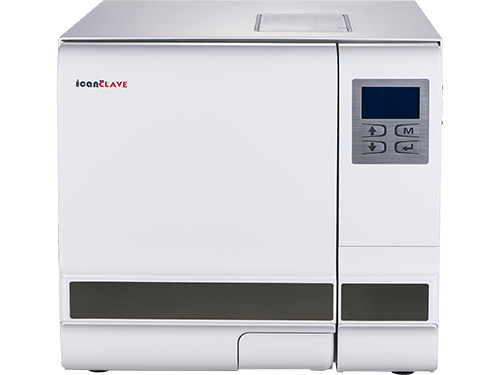
Autoclave Sales, Servicing and Validation
Autoclaves Australia provides complete support for sterilisation equipment, including sales, servicing, repairs and 24/7 phone assistance. We also service Reverse Osmosis (RO) systems and related equipment.
Annual Validation and Compliance
We carry out annual autoclave validations, reports and routine servicing. As authorised Icanclave specialists, we offer detailed technical knowledge, and we also service major brands such as Melag, Mocom and W&H Lisa. Emergency repairs are available when required.
What Type of Autoclave Is Used in a Laboratory?
Laboratory autoclaves must comply with Australian Standards, industry best practice and relevant local regulations. We supply only true Class B autoclaves, which offer the highest level of sterilisation and proven reliability.
There are two key differences between standard autoclaves and laboratory autoclaves.
1. Purpose of Use
Laboratory autoclaves can sterilise a wider range of materials. They include a movable temperature probe that can be submerged in liquids, which is essential for laboratory workflows.
2. Size and Capacity
Laboratory models typically have larger chambers to accommodate items such as bottles, flasks and liquids. In comparison, smaller autoclaves are suitable for settings that sterilise wrapped instruments only, such as beauty or personal services.